• course Info
  • Content

A Weight-Inclusive CBT Model

CE Hours 1.5

About this course

Cognitive Behavioral Therapy (CBT) is the leading treatment for adult eating disorders, including bulimia nervosa, binge-eating disorder, and atypical anorexia. It is an individualized, transdiagnostic, time-limited treatment focused on mechanisms that maintain ED symptoms. Though a significant body of evidence supports its use, no formal adaptations have been made to modify treatment components that may perpetuate weight stigma and cause iatrogenic harm. CBT-E's overall conceptual model involves reducing dietary rules and restriction. This aligns well with a weight-inclusive approach. However, CBT-E manuals and workbooks contain stigmatizing language and promote 'healthy weight loss' for individuals in larger bodies. Consequently, some providers and activists reject CBT-E and related approaches. Modification of CBT-E is critical both to mitigate harm and to increase its acceptability and implementation. We propose a revised version of CBT for Eating Disorders called CBT-Weight-Inclusive (CBT-WI). We modify the cognitive model to relocate the origin of the problem from the individual to the outside culture, rather than pathologizing the person. We reduce the emphasis on knowing one's weight and eliminate regular weighing. We remove stigmatizing language and interventions and include more diverse examples. We help people in all body sizes and with all eating disorders focus on eating enough. CBT-e = Enhanced Cognitive Behavioral Therapy CBT-ED = Cognitive Behavioral Therapy for Eating Disorders Panel Outline A. CBT-WI overview (35 minutes) 1. Review of CBT for EDs and why aspects of traditional CBT are problematic 2. Introduce our revised version of CBT for Eating Disorders, called CBT-Weight-Inclusive (CBT-WI) B. Case vignette (15 minutes) 1. Vignette is shared by presenters 2. Participants individually practice writing a case formulation using CBT-WI worksheet (this helps both those familiar with traditional CBT-ED case formulations and those new to CBT) 3. Presenters elicit what participants have included in their formulations in the big group C. Small group activity (20 minutes) 1. Participants break into small groups and discuss the case vignette for whom they have completed the formulation. Participants identify and discuss weight neutral interventions/modifications to standard CBT protocols D. Groups come back together (20 minutes) 1. Presenters lead an interactive discussion on adaptations of CBT for eating disorders (identified by participants in small groups) to promote inclusivity and minimize stigma 2. Presenters take questions
Learning Objectives

  • Identify three aspects of CBT that can be harmful and stigmatizing to people in larger bodies.
  • Discuss three potential modifications to CBT interventions to make CBT weight-inclusive.
  • Explain how to modify the cognitive-model to align with a weight-inclusive social justice approach.

Learning Levels

  • All levels

Course Instructor(s)

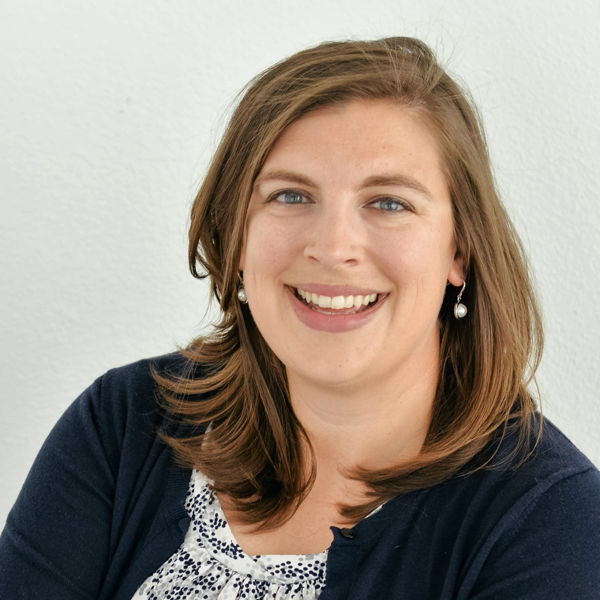
  • Lauren Muhlheim, Psy.D., FAED, CEDS

    Lauren Muhlheim, Psy.D., FAED, CEDS is a psychologist, fellow of the Academy for Eating Disorders (AED), and certified eating disorder specialist (CEDS) and approved consultant (-C) for the International Association of Eating Disorder Professionals (IAEDP). She is certified in Family-Based Treatment (FBT) for adolescent eating disorders. She owns Eating Disorder Therapy LA, a group practice in Los Angeles, CA. Dr. Muhlheim is the author of When Your Teen Has an Eating Disorder (New Harbinger, 2019) and has another workbook under contract with New Harbinger. She specializes in providing weight-inclusive adaptations to evidence-based treatments including FBT, CBT-E, and CBT-AR. Dr. Muhlheim has held leadership roles in several professional organizations including the AED, IAEDP LA Chapter, and the Los Angeles County Psychological Association. She has previously been an IAEDP core course instructor and provides training on eating disorders to mental health providers internationally.

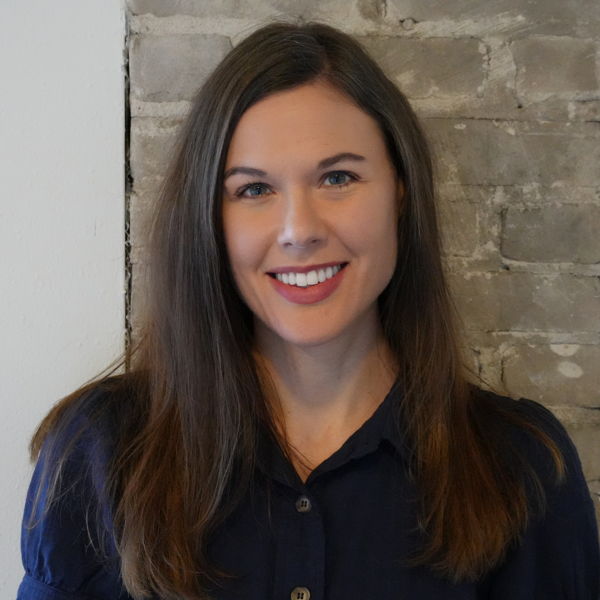
  • Jennifer Averyt, Ph.D., ABPP

    Jennifer Averyt, Ph.D., ABPP is a clinical health psychologist at the Phoenix VA Health Care System and Phoenix Health Psychology, PLLC. She completed her doctoral degree at Ohio University followed by an internship at the Phoenix VA and post-doctoral fellowship at Tripler Army Medical Center. She provides evidence-based, weight-inclusive care and training and supervision in eating disorder treatment for interns and post-doctoral residents.

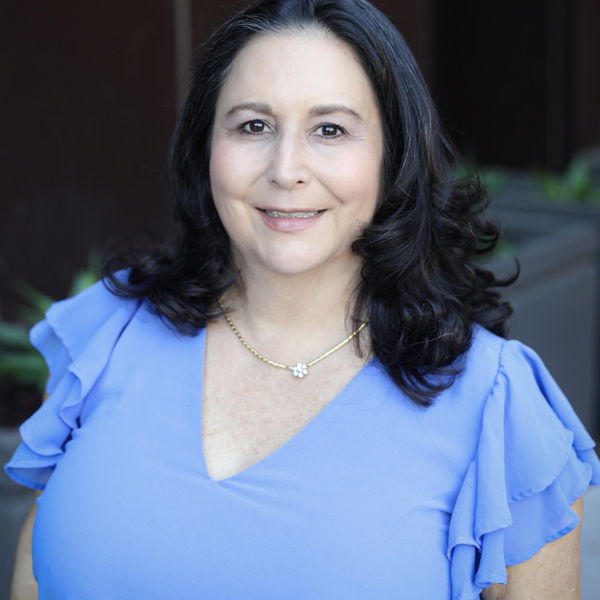
  • Shannon Patterson, M.Ed, PhD.

    Dr. Shannon Patterson (she/her) is a licensed psychologist who specializes in eating disorder treatment, health psychology, and interprofessional collaboration. She provides training and supervision in evidence-based psychotherapies to medical and mental health professionals across the United States. In her clinical work, Shannon helps individuals of all ages navigate recovery from eating disorders and health-related challenges with compassion and evidence-based care. She is the co-author of the forthcoming Weight-Inclusive CBT Workbook for Eating Disorders and serves as an ad hoc clinical reviewer for the International Journal of Eating Disorders

References

  • Byrne, S. M., & Fursland, A. (2024). New understandings meet old treatments: putting a contemporary face on established protocols. Journal of Eating Disorders, 12(1), 26. https://doi.org/10.1186/s40337-024-00983-4
  • McEntee, M. L., Philip, S. R., & Phelan, S. M. (2023). Dismantling weight stigma in eating disorder treatment: Next steps for the field. Frontiers in psychiatry, 14, 1157594. doi: 10.3389/fpsyt.2023.1157594
  • Mensinger, J. L., Shepherd, B. F., Schapiro, S., Aware, Y., Brochu, P. M., Calogero, R. M., & Tylka, T. L. (2023). Mediating effects of a weight-inclusive health promotion program on maladaptive eating in women with high body mass index. Eating Behaviors, 49, 101730. https://doi.org/10.1016/j.eatbeh.2023.101730

CE Process Info

Content

  • Recording
    1 parts
    • A Weight-Inclusive CBT Model
A Weight-Inclusive CBT Model
You Have Completed This course
$32
You are enrolled
  • CE Hours
    1.5
  • Type
    Self-Paced
  • Publication Date
    Feb 15th, 2026

Reset password


Reset your password by providing your email below


Next

We sent a reset password link to the email address you provided.


{{reset.email}}


If you do not see the email, try checking your junk or spam folder.


If you don't receive a link in the email you provided, please click the button below to resend the verification email.

Resend

Please wait {{timer}} seconds to resend


Next

Sign in


Enter your email to get started.


Next

Sign in


Good news! Your email is associated with an account. Enter your password or click here to reset it


Login

Thanks for signing up!


We sent an verification email to the address you provided. Please check your email to verify your email address.


{{signup.email}}


If you do not see the email, try checking your junk or spam folder.


If you don't receive a link in the email you provided, please click the button below to resend the verification email.


Resend

Please wait {{timer}} seconds to resend

Sign up


Sign up

Shopping Cart


Items
Price
Remove
  • {{ item.name }} ({{ item.courses.length }} courses)

    {{ item.credit_hours }} Credits
    {{ item.coupons.map((c)=> c.code).join(', ') }}
    ${{ item.totals.price }}
    ${{ item.totals.total_price }}
Apply


Cart is empty

Thank you for your purchase


To access the course content, click the button below. Enrolled courses may be accessed at any time by going to your Account and clicking Courses


Go to Course

Thank you for your purchase

To access your courses, please click the button below. Enrolled courses may be accessed at any time by going to your Account and clicking either Events or Courses


My Account

Payment

{{$store.state.payment.paymentErrorMessage }}
Pay now