• course Info
  • Content

Co-occurring OCD and PTSD in Eating Disorders

CE Hours 1.5

About this course

Comorbid Obsessive-Compulsive Disorder (OCD) and Post-traumatic Stress Disorder (PTSD) are increasingly recognized among individuals with eating disorders, significantly impacting symptom presentation and complicating treatment planning. Despite growing awareness, this intersection remains under-researched, and there is a notable lack of clinical guidance on how to address these overlapping diagnoses in treatment. Given the complexity of both OCD and PTSD, clinicians are finding it difficult to determine how and when to target these disorders in conjunction with the eating disorder. Symptom presentation for OCD and PTSD can be similar and may also serve as maintaining factors for the eating disorder. Likewise, the eating disorder can function as a maintaining factor for both OCD and PTSD. It is imperative that individuals seeking eating disorder treatment be assessed for comorbidities, particularly OCD and PTSD, as this assessment informs both the treatment plan and the overall treatment approach. This interdisciplinary panel will bring together clinicians specializing in eating disorders, trauma, and OCD to explore nuanced clinical decision-making in the treatment of these comorbidities across levels of care. Attendees will gain insight into how OCD and PTSD can present in the context of an eating disorder and how to prioritize treatment across diagnoses. The panelists will present on topics related to the overlap of OCD and PTSD as seen across various clinical settings and will discuss clinical considerations including evidence-based treatment modalities, treatment planning and prioritization, the dietary impacts of OCD and PTSD, and psychopharmacological options. To support attendees' learning, the panel will include case examples and case-based discussion. Specific topics addressed during this panel will include: Background information on OCD and PTSD, including prevalence and diagnostic considerations. Treatment prioritization using a Multi-diagnostic Eating Disorder Dialectical Behavior Therapy (MED-DBT) framework to guide treatment when both disorders present with equal severity. Treatment approaches, including differences in how to structure exposures depending on diagnosis. The impact of OCD and PTSD on dietary aspects of treatment and how dietitians can support individuals affected by these diagnoses.
Learning Objectives

  • Identify key diagnostic and assessment considerations for co-occurring OCD and PTSD in individuals with eating disorders.
  • Describe strategies for treatment planning and prioritization using a Multidiagnostic Eating Disorder Dialectical Behavior Therapy (MED-DBT) framework.
  • Explain how evidence-based exposure strategies, including food-related exposures, can be adapted for individuals with eating disorders and comorbid OCD and PTSD.

Learning Levels

  • All levels

Course Instructor(s)

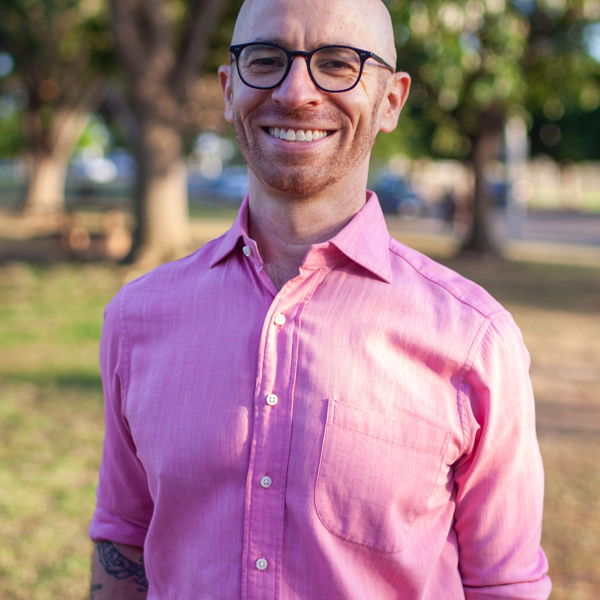
  • Sanvi Beri , LPCC

    Sanvi Beri is a Licensed Professional Clinical Counselor (LPCC) who serves as the Post-Traumatic Stress Disorder (PTSD) Track Coordinator and as a therapist on the Co-Occurring Disorders track in the Adult Treatment Program at the UC San Diego Health Eating Disorders Center for Treatment and Research (UCSDH EDC). Throughout her clinical training, Sanvi has worked in various levels of care and treatment settings with a wide range of individuals and diagnoses, including PHP and IOP. Sanvi specializes in providing evidence-based care for individuals struggling with feeding and eating disorders, substance use disorders, mood disorders, anxiety disorders, PTSD, and personality disorders. Sanvi has been trained in Dialectical Behavior Therapy (DBT) and uses this modality to treat individuals, couples, families, and facilitate group therapy. Sanvi also has specialized training in Cognitive Behavioral Therapy (CBT), Enhanced Cognitive Behavioral Therapy (CBT-E), DBT for Substance Use Disorders (DBT-SUD), Cognitive Processing Therapy (CPT) and DBT-Prolonged Exposure for PTSD (DBT-PE).

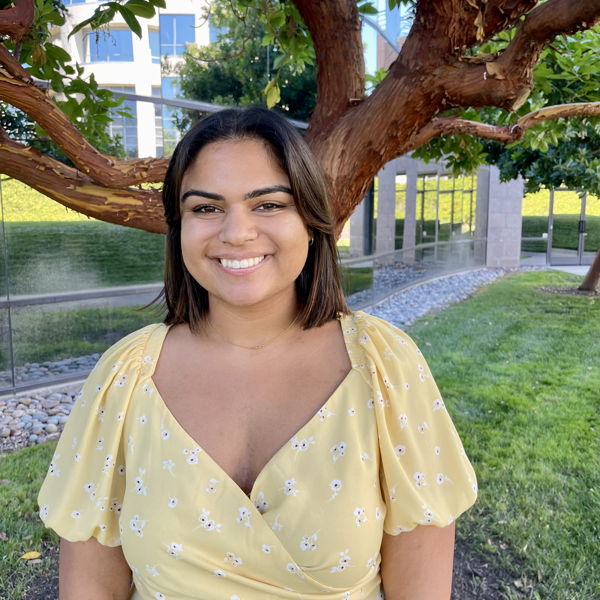
  • Margaret Edwards, LPCC, NCC

    Margaret Edwards is a Licensed Professional Clinical Counselor who serves as the Obsessive-Compulsive Disorders Track Co-Coordinator and a therapist on the Co-Occurring Disorders (COD) track in the Adult Treatment Program at the UCSD Eating Disorder Center for Treatment and Research. Throughout her training, Marti has worked in PHP and IOP programs with a wide range of individuals and diagnoses, focusing on feeding and eating disorders, obsessive-compulsive disorders, substance use disorders, mood disorders, anxiety disorders, and personality disorders. Marti provides individual, group, couples, and family therapy utilizing Dialectical Behavior Therapy (DBT). Marti has also received specialized training in Exposure and Response Prevention Therapy (ERP), Cognitive Behavioral Therapy (CBT), DBT for Substance Use Disorders (DBT-SUD), and Enhanced CBT (CBT-E).

  • Ian Cohen, RD, CEDS

    Ian Cohen is a Registered Dietitian and Certified Eating Disorder Specialist who is also a contributor to the Co-Occurring Disorders (COD) track at the UC San Diego Health Eating Disorders Center for Treatment and Research (UCSDH EDC). Ian has over a decade of dietary experience at the residential, PHP, IOP and outpatient level of eating disorder treatment and has focused his practice at intersection of nutrition and substance use disorders. Ian is also a musician, journalist and author who has appeared in The New York Times, GQ, Healthline and whose first book, Feeling Neglected?, will be published by Atria Books in 2027.

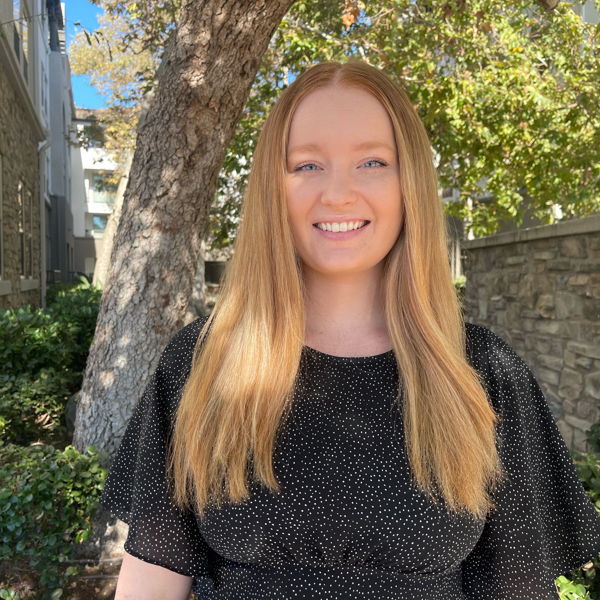
  • Eva-Molly Dunbar, Ph.D.

    Eva-Molly Petitto Dunbar, Ph.D., is a clinical psychologist who serves as the Sport and Exercise Track Coordinator and Co-Coordinator of the Obsessive-Compulsive Disorders (OCD) Track, and as a psychologist on the Radically Open Dialectical Behavior Therapy (RO-DBT) and Posttraumatic Stress Disorder (PTSD) tracks in the Adult Treatment Program at the UC San Diego Health Eating Disorders Center for Treatment and Research (UCSDH EDC). She specializes in the evidence-based treatment of eating disorders, PTSD, OCD, and related disorders across the lifespan and levels of care. Dr. Dunbar has advanced training in DBT, DBT Prolonged Exposure for PTSD (DBT-PE), Cognitive Processing Therapy (CPT), Enhanced Cognitive Behavioral Therapy (CBT-E), CBT for Avoidant/Restrictive Food Intake Disorder (CBT-AR), Exposure and Response Prevention (ERP), RO-DBT for individuals with emotional overcontrol, and Family-Based Treatment (FBT), including adaptations for home-based delivery. Her research focuses on innovative prevention and treatment approaches for eating disorders, including specialized programming for athletes and the treatment of co-occurring conditions such as PTSD and OCD. She has also co-founded university-based eating disorder prevention and support programs as both an undergraduate and graduate student. In addition, Dr. Dunbar serves as the Academy for Eating Disorders Co-Chair of the Avoidant/Restrictive Food Intake Disorder (ARFID) Special Interest Group.

References

  • Drakes, D. H., Fawcett, E. J., Rose, J. P., Carter-Major, J. C., & Fawcett, J. M. (2021). Comorbid obsessive-compulsive disorder in individuals with eating disorders: an epidemiological meta-analysis. Journal of Psychiatric Research, 141, 176-191. https://doi.org/10.1016/j.jpsychires.2021.06.035
  • Mandelli, L., Draghetti, S., Albert, U., De Ronchi, D., & Atti, A. R. (2020). Rates of comorbid obsessive-compulsive disorder in eating disorders: A meta-analysis of the literature. Journal of affective disorders, 277, 927-939. https://doi.org/10.1016/j.jad.2020.09.003
  • Rijkers, C., Schoorl, M., van Hoeken, D., & Hoek, H. W. (2019). Eating disorders and posttraumatic stress disorder. Current opinion in psychiatry, 32(6), 510-517. doi:10.1097/YCO.0000000000000545

CE Process Info

Content

  • Recording
    1 parts
    • Co-occurring OCD and PTSD in Eating Disorders
Co-occurring OCD and PTSD in Eating Disorders
You Have Completed This course
$32
You are enrolled
  • CE Hours
    1.5
  • Type
    Self-Paced
  • Publication Date
    Feb 15th, 2026

Reset password


Reset your password by providing your email below


Next

We sent a reset password link to the email address you provided.


{{reset.email}}


If you do not see the email, try checking your junk or spam folder.


If you don't receive a link in the email you provided, please click the button below to resend the verification email.

Resend

Please wait {{timer}} seconds to resend


Next

Sign in


Enter your email to get started.


Next

Sign in


Good news! Your email is associated with an account. Enter your password or click here to reset it


Login

Thanks for signing up!


We sent an verification email to the address you provided. Please check your email to verify your email address.


{{signup.email}}


If you do not see the email, try checking your junk or spam folder.


If you don't receive a link in the email you provided, please click the button below to resend the verification email.


Resend

Please wait {{timer}} seconds to resend

Sign up


Sign up

Shopping Cart


Items
Price
Remove
  • {{ item.name }} ({{ item.courses.length }} courses)

    {{ item.credit_hours }} Credits
    {{ item.coupons.map((c)=> c.code).join(', ') }}
    ${{ item.totals.price }}
    ${{ item.totals.total_price }}
Apply


Cart is empty

Thank you for your purchase


To access the course content, click the button below. Enrolled courses may be accessed at any time by going to your Account and clicking Courses


Go to Course

Thank you for your purchase

To access your courses, please click the button below. Enrolled courses may be accessed at any time by going to your Account and clicking either Events or Courses


My Account

Payment

{{$store.state.payment.paymentErrorMessage }}
Pay now