• course Info
  • Content

Ethical Complexities: Navigating Coercive Interventions and Perceived Coercion in Eating Disorders Treatment

CE Hours 1 Ethics

About this course

Eating disorders remain among the most lethal of mental health conditions; in particular, anorexia nervosa has the second-highest mortality rate (Krug et al., 2025). Despite the severity of these illnesses, individuals with eating disorders often demonstrate low motivation for change, limited engagement in treatment, and poor insight into their condition (Clausen, 2020). As a result, the use of coercive interventions is a recurring consideration in clinical practice--one that raises significant ethical challenges. Treatment providers are frequently faced with competing ethical priorities: protecting patients from serious harm while honoring their autonomy and dignity. This presentation will explore clinical, ethical, legal, and psychological dimensions of coercive interventions and perceived coercion in the treatment of eating disorders. Drawing on both empirical evidence and theoretical frameworks, this session will examine a range of coercive interventions used in the treatment of eating disorders. These include formal measures such as involuntary hospitalization, court-mandated treatment, and the appointment of medical guardians. It will also explore perceived or informal coercion (including pressure from family members or clinicians) and more invasive yet frequently necessary interventions like threats of negative consequences, prescribed feeding, and restrictions on movement, all common in eating disorder treatment (Guarda & Schreyer, 2021). The session will critically examine the risks and benefits of coercive interventions, considering both empirical outcomes and patient perspectives. While the preservation of life is the primary justification for compulsory treatment, as highlighted in several reviews (e.g., Zielinski-Gussen et al., 2023), additional benefits may include symptom stabilization and the restoration of cognitive functioning (Horn et al., 2025). Research indicates that short-term outcomes, such as weight gain, are comparable between patients admitted voluntarily and those admitted involuntarily (Atti et al., 2021). Moreover, some patients later report feeling grateful for receiving care they initially resisted, recognizing in hindsight the necessity of intervention (Touyz et al., 2024). At the same time, coercive care is not without risk. It may damage the therapeutic relationship, erode trust, and undermine long-term engagement in treatment (Douzenis & Michopoulos, 2015). Importantly, coercion is not always effective in achieving sustained recovery (Westmoreland & Mehler, 2016). This session will also address logistical and legal complexities that influence clinical decision-making, including the variability of legal standards across jurisdictions. In addition, it will explore provider distress and emotional responses when faced with these ethical challenges, and examine alternatives to coercion, including the application of harm-reduction principles (Russell et al., 2019). It will consider the risks and benefits of these alternative approaches as well (Birch et al., 2024). Participants will engage with sample case examples to deepen their understanding and apply concepts in a real-world context. Finally, the session will offer practical strategies for managing provider emotions and reducing reliance on coercive practices while still prioritizing safety and clinical effectiveness. Attendees will leave with a nuanced understanding of circumstances in which coercive care can be ethically justifiable, along with tools to promote more autonomy-supportive and collaborative approaches to treatment.

Learning Objectives

  • Describe the differences between formal coercive interventions and perceived coercion in eating disorder treatment, providing examples of each.
  • Evaluate the clinical, ethical, and legal risks and benefits of coercive interventions for individuals with eating disorders, supported by recent empirical evidence and patient perspectives.
  • Identify and apply practical strategies for managing provider emotional responses to ethical dilemmas in coercive care and explore autonomy-supportive alternatives.

Learning Levels

  • Intermediate

Course Instructor(s)

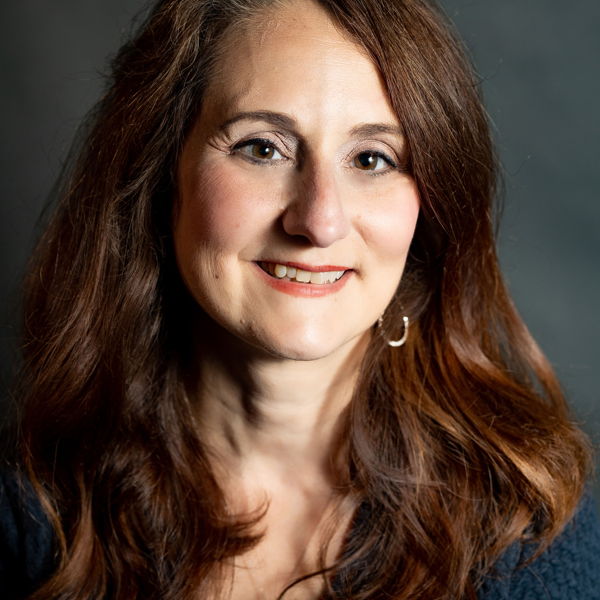
  • Melinda Parisi Cummings, Ph.D., Licensed Psychologist, CEDS-C

    Melinda Parisi Cummings, Ph.D., is a licensed psychologist with nearly 30 years of experience specializing in the treatment of eating disorders. She currently serves as an Associate Professor and Director of Clinical Training in the APA-accredited Counseling Psychology doctoral program at Holy Family University. Before joining the faculty, Dr. Cummings spent 15 years as Program Director for the Princeton Center for Eating Disorders at Penn Medicine Princeton Medical Center, where she continues to consult. Dr. Cummings has published and presented widely on topics including the assessment and treatment of eating disorders, the impact of these disorders on families, and ethical considerations in clinical care. In addition to her academic role, she maintains a part-time psychotherapy and supervision practice. Dr. Cummings is an iaedp-approved Certified Eating Disorders Specialist and Consultant.

  • Irene Erckert, Ph.D., CEDS

    Dr. Irene Marie Erckert is a psychologist and Certified Eating Disorder Specialist (CEDS) who has maintained a private practice in Lawrenceville, New Jersey, and Newtown, Pennsylvania, for over 25 years. Her extensive clinical focus is on treating preteens, adolescents, and adults struggling with eating disorders and their co-occurring conditions. Dr. Erckert also serves as a local consultant for professionals new to the eating disorder field. She has demonstrated leadership by serving in key roles, including Certification and Education chairs, for the Greater Philadelphia Chapter of the International Association of Eating Disorders Professionals (IAEDP). Her professional background includes serving as an Assistant Program Director at the University Medical Center of Princeton Eating Disorders Program and teaching in the Masters of Counseling program at Chestnut Hill College. Dr. Erckert continues to share her expertise through presentations to both professional and community audiences and by posting psychoeducational blogs on her website.

References

  • Atti, A. R., Mastellari, T., Valente, S., Speciani, M., Panariello, F., & De Ronchi, D. (2021). Compulsory treatments in eating disorders: a systematic review and meta-analysis. Eating and Weight Disorders-Studies on Anorexia, Bulimia and Obesity, 26(4), 1037-1048. https://doi.org/10.1007/s40519-020-01031-1
  • Birch, E., Downs, J., & Ayton, A. (2024). Harm reduction in severe and long-standing Anorexia Nervosa: part of the journey but not the destination—a narrative review with lived experience. Journal of Eating Disorders, 12(1), 140. https://doi.org/10.1186/s40337-024-01063-3
  • Clausen, L. (2020). Perspectives on involuntary treatment of anorexia nervosa. Frontiers in Psychiatry, 11, 533288. https://doi.org/10.3389/fpsyt.2020.533288
  • Douzenis, A., & Michopoulos, I. (2015). Involuntary admission: The case of anorexia nervosa. International journal of law and psychiatry, 39, 31-35. https://doi.org/10.1016/j.ijlp.2015.01.018
  • Westmoreland, P. (Ed.). (2020). Tipping the scales: ethical and legal dilemmas in managing severe eating disorders. American Psychiatric Pub.
  • Horn, K., Moton-Ospino, K., & Montalto, G. J. (2025). The Ethical Complexities of Anorexia Nervosa Treatment. Pediatric Annals, 54(7), e222-e224. https://doi.org/10.3928/19382359-20250604-01
  • Krug, I., Liu, S., Portingale, J., Croce, S., Dar, B., Obleada, K., ... & Fuller-Tyszkiewicz, M. (2025). A meta-analysis of mortality rates in eating disorders: an update of the literature from 2010 to 2024. Clinical psychology review, 102547. https://doi.org/10.1016/j.cpr.2025.102547
  • Russell, J., Mulvey, B., Bennett, H., Donnelly, B., & Frig, E. (2019). Harm minimization in severe and enduring anorexia nervosa. International review of psychiatry, 31(4), 391-402. https://doi.org/10.1080/09540261.2019.1601073
  • Touyz, S., Aouad, P., Carney, T., Ong, S. H., Yager, J., Newton, R., ... & Bryant, E. (2024). Clinical, legal and ethical implications of coercion and compulsory treatment in eating disorders: do rapid review findings identify clear answers or more muddy waters?. Journal of Eating Disorders, 12(1), 163. https://doi.org/10.1186/s40337-024-01120-x
  • Westmoreland, P., & Mehler, P. S. (2016). Caring for patients with severe and enduring eating disorders (SEED): certification, harm reduction, palliative care, and the question of futility. Journal of Psychiatric Practice®, 22(4), 313-320. https://doi.org/10.1097/PRA.0000000000000160
  • Zielinski-Gussen, I. M., Herpertz-Dahlmann, B., & Dahmen, B. (2023, December). Involuntary treatment for child and adolescent anorexia nervosa—a narrative review and possible advances to move away from coercion. In Healthcare (Vol. 11, No. 24, p. 3149). MDPI. https://doi.org/10.3390/healthcare11243149

CE Process Info

Content

  • Recording
    1 parts
    • Ethical Complexities: Navigating Coercive Interventions and Perceived Coercion in Eating Disorders Treatment
Ethical Complexities: Navigating Coercive Interventions and Perceived Coercion in Eating Disorders Treatment
You Have Completed This course
$25
You are enrolled
  • CE Hours
    1
  • Type
    Self-Paced
  • Publication Date
    Feb 15th, 2026

Reset password


Reset your password by providing your email below


Next

We sent a reset password link to the email address you provided.


{{reset.email}}


If you do not see the email, try checking your junk or spam folder.


If you don't receive a link in the email you provided, please click the button below to resend the verification email.

Resend

Please wait {{timer}} seconds to resend


Next

Sign in


Enter your email to get started.


Next

Sign in


Good news! Your email is associated with an account. Enter your password or click here to reset it


Login

Thanks for signing up!


We sent an verification email to the address you provided. Please check your email to verify your email address.


{{signup.email}}


If you do not see the email, try checking your junk or spam folder.


If you don't receive a link in the email you provided, please click the button below to resend the verification email.


Resend

Please wait {{timer}} seconds to resend

Sign up


Sign up

Shopping Cart


Items
Price
Remove
  • {{ item.name }} ({{ item.courses.length }} courses)

    {{ item.credit_hours }} Credits
    {{ item.coupons.map((c)=> c.code).join(', ') }}
    ${{ item.totals.price }}
    ${{ item.totals.total_price }}
Apply


Cart is empty

Thank you for your purchase


To access the course content, click the button below. Enrolled courses may be accessed at any time by going to your Account and clicking Courses


Go to Course

Thank you for your purchase

To access your courses, please click the button below. Enrolled courses may be accessed at any time by going to your Account and clicking either Events or Courses


My Account

Payment

{{$store.state.payment.paymentErrorMessage }}
Pay now