• course Info
  • Content

Evidence Meets Authentic Treatment

CE Hours 0.75

About this course

Authenticity, the alignment between an individual's inner experience and outward expression, is a critical but often overlooked component in the treatment of eating disorders. In contrast, inauthenticity fosters disconnection, shame, self-blame, and emotional isolation-all fertile ground for the development and maintenance of disordered eating and body image disturbance. While evidence-based practices (EBPs) such as Cognitive Behavioral Therapy for Eating Disorders (CBT-E) and Family-Based Treatment (FBT) have demonstrated strong efficacy in reducing symptoms (Fairburn, 2008; Lock & Le Grange, 2015), they often fall short in addressing the deeper relational and emotional wounds that underlie many eating disorders. This presentation examines the inherent tension between manualized, protocol-driven therapies and the relational depth required to foster lasting recovery. Drawing from relational-cultural theory, authenticity theory, and experiential psychotherapy, we will explore how integrating genuine, attuned therapeutic presence into EBP frameworks can support both symptom relief and emotional healing. Clinicians who skillfully and appropriately 'remove the mask' through intentional self-disclosure and empathic attunement send powerful signals to clients: You are seen, valued, and supported as a whole person-not just a diagnosis. Attendees will leave with practical tools for incorporating authenticity-enhancing interventions into structured treatment, strategies for navigating relational ruptures and repairs, and a renewed understanding of how genuine therapeutic connection can transform the recovery process.
Learning Objectives

  • Identify the role of authenticity and inauthenticity in the etiology and maintenance of eating disorders.
  • Evaluate the limitations of manualized evidence-based practices in addressing relational and emotional dimensions of treatment.
  • Apply clinical strategies for enhancing therapeutic authenticity, including intentional self-disclosure, attunement, and rupture repair within evidence-based frameworks.

Learning Levels

  • Beginner

Course Instructor(s)

  • Melissa Spann

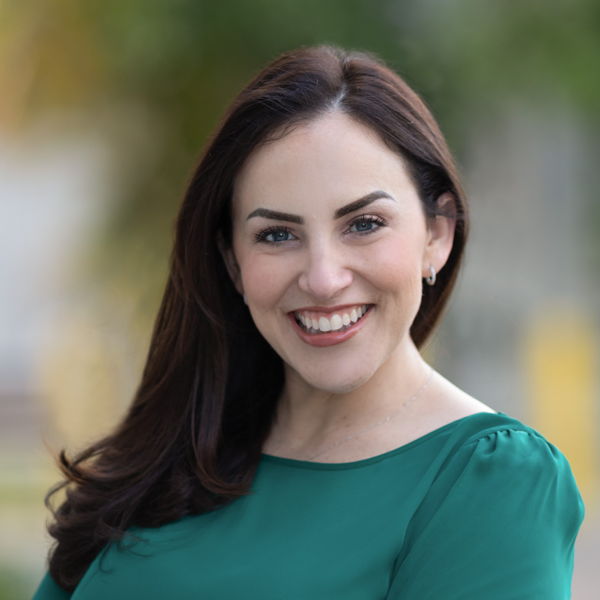
    Melissa Orshan Spann, PhD, MBA, CEDS-C, is an experienced clinician and clinical supervisor with a demonstrated track record in leadership and program development. With a deep passion for her work, Dr. Spann is recognized as a skilled presenter and dedicated clinical operator, specializing in the treatment of complex eating disorders, trauma, and adolescent development. She is an active member of the International Association of Eating Disorder Professionals, serving on the national certification committee for five years, the education committee, the supervision faculty, and the board of her local chapter. Dr. Spann holds a doctoral degree from Drexel University, an MBA from Florida Gulf Coast, an MSEd from the University of Miami, where she is an adjunct professor, and a bachelor's degree from the University of Florida. A native Floridian, she resides in Miami with her husband and pup while attempting to parent two teenagers.

References

  • Albano, G., Teti, A., Scrò, A., Bonfanti, R. C., Fortunato, L., & Coco, G. L. (2024). A systematic review on the role of therapist characteristics in the treatment of eating disorders. Research in Psychotherapy: Psychopathology, Process, and Outcome, 27(2), 750. doi:10.4081/ripppo.2024.750
  • Giannopoulos, E., & Hilsenroth, M. (2024). Therapist ratings of technique and alliance among adults with eating disorders: Support for integrative treatment. Journal of Psychotherapy Integration. https://doi.org/10.1037/int0000332
  • Groth, T., & Hilsenroth, M. (2021). Psychotherapy techniques related to therapist alliance among adolescents with eating disorders: The utility of integration. Journal of Psychotherapy Integration, 31(1), 104. https://doi.org/10.1037/int0000190
  • Monteleone, A. M., & Abbate-Daga, G. (2024). Effectiveness and predictors of psychotherapy in eating disorders: state-of-the-art and future directions. Current Opinion in Psychiatry, 37(6), 417-423. doi:10.1097/YCO.0000000000000961
  • Werz, J., Voderholzer, U., & Tuschen-Caffier, B. (2022). Alliance matters: but how much? A systematic review on therapeutic alliance and outcome in patients with anorexia nervosa and bulimia nervosa. Eating and Weight Disorders-Studies on Anorexia, Bulimia and Obesity, 27(4), 1279-1295. https://doi.org/10.1007/s40519-021-01281-7

CE Process Info

Content

  • Recording
    1 parts
    • Evidence Meets Authentic Treatment
Evidence Meets Authentic Treatment
You Have Completed This course
$25
You are enrolled
  • CE Hours
    0.75
  • Type
    Self-Paced
  • Publication Date
    Feb 15th, 2026

Reset password


Reset your password by providing your email below


Next

We sent a reset password link to the email address you provided.


{{reset.email}}


If you do not see the email, try checking your junk or spam folder.


If you don't receive a link in the email you provided, please click the button below to resend the verification email.

Resend

Please wait {{timer}} seconds to resend


Next

Sign in


Enter your email to get started.


Next

Sign in


Good news! Your email is associated with an account. Enter your password or click here to reset it


Login

Thanks for signing up!


We sent an verification email to the address you provided. Please check your email to verify your email address.


{{signup.email}}


If you do not see the email, try checking your junk or spam folder.


If you don't receive a link in the email you provided, please click the button below to resend the verification email.


Resend

Please wait {{timer}} seconds to resend

Sign up


Sign up

Shopping Cart


Items
Price
Remove
  • {{ item.name }} ({{ item.courses.length }} courses)

    {{ item.credit_hours }} Credits
    {{ item.coupons.map((c)=> c.code).join(', ') }}
    ${{ item.totals.price }}
    ${{ item.totals.total_price }}
Apply


Cart is empty

Thank you for your purchase


To access the course content, click the button below. Enrolled courses may be accessed at any time by going to your Account and clicking Courses


Go to Course

Thank you for your purchase

To access your courses, please click the button below. Enrolled courses may be accessed at any time by going to your Account and clicking either Events or Courses


My Account

Payment

{{$store.state.payment.paymentErrorMessage }}
Pay now