• course Info
  • Content

Reconceptualizing Eating Disorders

CE Hours 1

About this course

This presentation invites the field to reconsider both conceptualization of eating disorder onset and traditional forms of treatment. Traditional ED pathology often emphasizes individual deficits, framing disordered eating as a story of maladaptive choices. This lens risks pathologizing the individual and overlooking the adaptive role ED behaviors may play within the context of maladaptive environments that create dysregulation. This presentation invites a paradigm flip: shifting away from an individualized behavioral deficit framework to one that views ED behaviors as adaptive responses to environmental and relational deficits. This talk will use the lens of Polyvagal Theory (PVT) and the framework of Dialectical Behavioral Therapy (DBT) to language this flip from pathology to adaptation. Rather than assuming ED behaviors as inherently pathological, the principles of PVT identify ED behaviors as attempts to regulate amid invalidating environments. The PVT principle of Neuroception explains the nervous system's consistent assessment of environmental cues of safety and danger and the behavioral and emotional response that autonomically occurs. This framing invites clinicians to consider how ED behaviors may be attempts to downregulate or soothe a system that feels under-resourced in overwhelming conditions. PVT shifts the clinical focus of ED treatment by inviting clinicians to identify the impact of systemic and environmental contributions to nervous system distress. DBT allows the therapist to create behavioral structure to help their patients identify and practice skills that can lead to both individual and environmental change. This shift allows DBT interventions to become increasingly collaborative and relational to encourage skill use to modify environments, build community, adapt individual responses to promote the felt sense of agency and choice to ultimately help patients create a life worth living. This talk will outline how therapeutic rapport built through the PVT principles can create an affirming space for patients to explore the complexities of ED behaviors and the nervous system's role in both the origin and maintenance of ED behaviors. This framework then offers the integration of DBT skills to support more than individual behavior change. The pairing of PVT and DBT can help a patient understand their nervous system's rhythms, identify the impact of specific environmental triggers (and glimmers), and how DBT skills can be utilized to empower a patient's felt sense of choice and agency. This interactive presentation will include didactic education reviewing these 2 modalities from the perspective of a RD and PsyD, experiential practices that highlight PVT techniques, and an overview of a case study to highlight the opportunities within this paradigm flip.

Learning Objectives

  • Explain how the nervous system plays a role in eating disorder development by identifying how at least 2 Eating Disorder Behaviors support downregulation.
  • Apply at least 2 clinical tools that support a patient's agency and choice when navigating maladaptive conditions.
  • Use at least 2 polyvagal theory principles that increase a patient's window of tolerance.

Learning Levels

  • Advanced

Course Instructor(s)

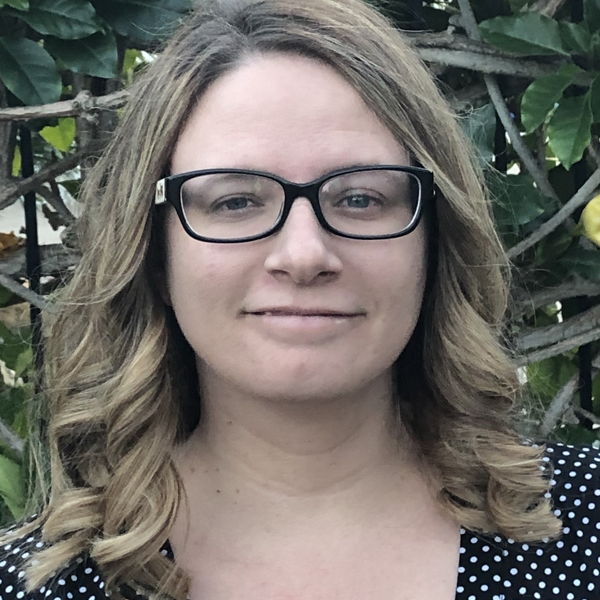
  • Amy Costa, PsyD, LMFT, CEDS-C

    Dr. Costa is a licensed marriage and family therapist in San Diego, California, and is the vice president of clinical operations for Center for Discovery (CFD). Dr. Costa has worked at CFD since 2014 and was previously the vice president of operations for the West Coast division. She brings a wealth of clinical experience to operations in order to help elevate Discovery Behavioral Health, the parent company of CFD, to a level of excellence in the mental health field. In her newest role at CFD, Dr. Costa is working to improve clinical programming; ensuring the division continues to use the best in evidence-based treatment modalities; and supporting the training and growth of the clinical team. She is also a member of the REDC as well as a member of iaedp as a certified eating disorder specialist and supervisor. Before coming to CFD, Dr. Costa began her career in the eating disorder field in 2004, first as a residence counselor at the Klarman Center at Mclean Hospital. Dr. Costa worked as a therapist in a variety of settings throughout California, with experience in residential, partial hospitalization, intensive outpatient and private practice treatment programs. Dr. Costa has received advanced training in dialectical behavior therapy (DBT), cognitive behavioral therapy (CBT) and group therapy. Dr. Costa's areas of concentration have been in treating eating disorders, self-injurious behaviors, mood disorders, and other co-occurring issues in both adults and adolescents. She has hosted numerous CE events that have focused on DBT, trauma, burnout, dietary/clinical treatment of eating disorders, and the connection between eating disorders and substance use disorders.

  • Lindsay Birchfield, MS, RD, CEDS-C

    Lindsay Birchfield (they/them), or as many of their colleagues refer to them, is CFD's National Director for Virtual Programming & Innovation. Their contributions to CFD have included integrating Polyvagal Theory into CFD's nutrition philosophy and clinical model, supporting CFD's Gender Affirming Care team, overseeing CFD's binge specific IOP, Path to Peace and being one of the authors of CFD's weight inclusive and gender inclusive target body weight process. While they wear many hats at CFD & one of the meaningful parts of their role includes helping CFD launch their newest program, SENSE, which offers sensory informed interventions to support patients with ARFID. LB has worked in the eating disorder field since 2012 specializing in gender affirming healthcare, somatic interventions, and trauma informed nutrition therapy.LB firmly believes that healing happens inside of relationships, thus they've invested efforts in both their private practice,Transnourishment, and CFD's Virtual Programs to be accessible healing environments that strive to foster authentic connections that create community.

References

  • Downs, J. (2025). Furthering the benefits of DBT for eating disorders: a lived experience correspondence on McColl et al. Journal of Eating Disorders, 13(1), 37. https://doi.org/10.1186/s40337-025-01216-y
  • Porges, S. W. (2023). The vagal paradox: A polyvagal solution. Comprehensive psychoneuroendocrinology, 16, 100200. https://doi.org/10.1016/j.cpnec.2023.100200
  • Downs, J., & Adams, M. (2025). Re-imagining connection: the role of late autism diagnosis in eating disorder recovery and social support. Journal of Eating Disorders, 13(1), 120. https://doi.org/10.1186/s40337-025-01271-5
  • Levinson, C. A., Williams, B. M., Christian, C., Hunt, R. A., Keshishian, A. C., Brosof, L. C., ... & Ralph-Nearman, C. (2023). Personalizing eating disorder treatment using idiographic models: An open series trial. Journal of Consulting and Clinical Psychology, 91(1), 14. https://doi.org/10.1037/ccp0000785
  • Porges, S. W. (2022). Polyvagal theory: A science of safety. Frontiers in integrative neuroscience, 16, 871227. https://doi.org/10.3389/fnint.2022.871227
  • Porges, S. W. (2023). The vagal paradox: A polyvagal solution. Comprehensive psychoneuroendocrinology, 16, 100200. https://doi.org/10.1016/j.cpnec.2023.100200

CE Process Info

Content

  • Recording
    1 parts
    • Reconceptualizing Eating Disorders
Reconceptualizing Eating Disorders
You Have Completed This course
$25
You are enrolled
  • CE Hours
    1
  • Type
    Self-Paced
  • Publication Date
    Feb 15th, 2026

Reset password


Reset your password by providing your email below


Next

We sent a reset password link to the email address you provided.


{{reset.email}}


If you do not see the email, try checking your junk or spam folder.


If you don't receive a link in the email you provided, please click the button below to resend the verification email.

Resend

Please wait {{timer}} seconds to resend


Next

Sign in


Enter your email to get started.


Next

Sign in


Good news! Your email is associated with an account. Enter your password or click here to reset it


Login

Thanks for signing up!


We sent an verification email to the address you provided. Please check your email to verify your email address.


{{signup.email}}


If you do not see the email, try checking your junk or spam folder.


If you don't receive a link in the email you provided, please click the button below to resend the verification email.


Resend

Please wait {{timer}} seconds to resend

Sign up


Sign up

Shopping Cart


Items
Price
Remove
  • {{ item.name }} ({{ item.courses.length }} courses)

    {{ item.credit_hours }} Credits
    {{ item.coupons.map((c)=> c.code).join(', ') }}
    ${{ item.totals.price }}
    ${{ item.totals.total_price }}
Apply


Cart is empty

Thank you for your purchase


To access the course content, click the button below. Enrolled courses may be accessed at any time by going to your Account and clicking Courses


Go to Course

Thank you for your purchase

To access your courses, please click the button below. Enrolled courses may be accessed at any time by going to your Account and clicking either Events or Courses


My Account

Payment

{{$store.state.payment.paymentErrorMessage }}
Pay now